
Celebrating strength through culture and community
Supporting women is about empowering them with the confidence and opportunities to overcome challenges, achieve their goals and, ultimately, help others to do the same.
This philosophy lies at the heart of Western Sydney’s Afghan Women Support Association (AWSA) and its CEO Samira Mashal. A community-led, not-for-profit organisation, AWSA supports Afghan women and families through education, social connection and culturally appropriate services.
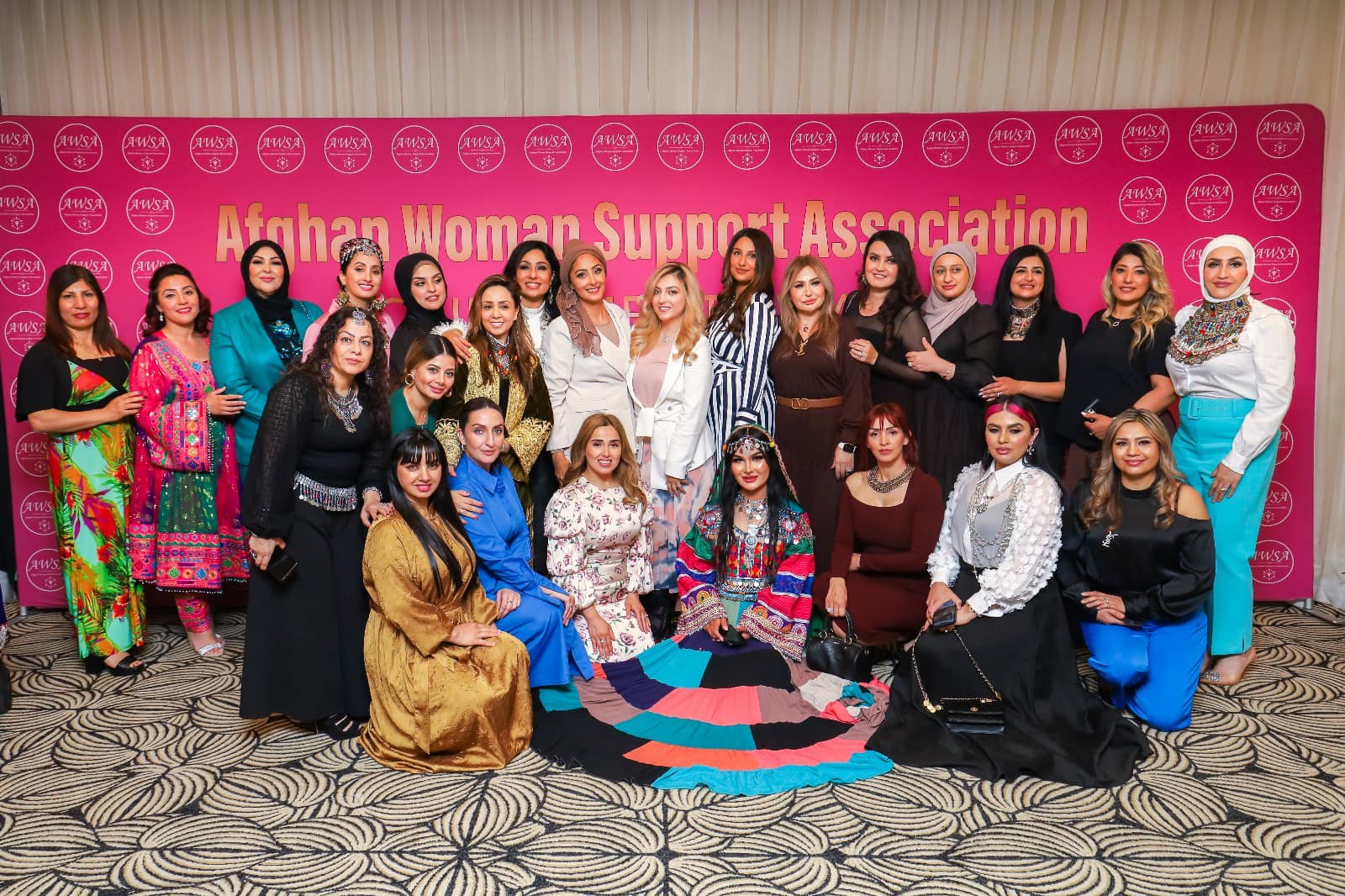
From five mums in a park to a growing community
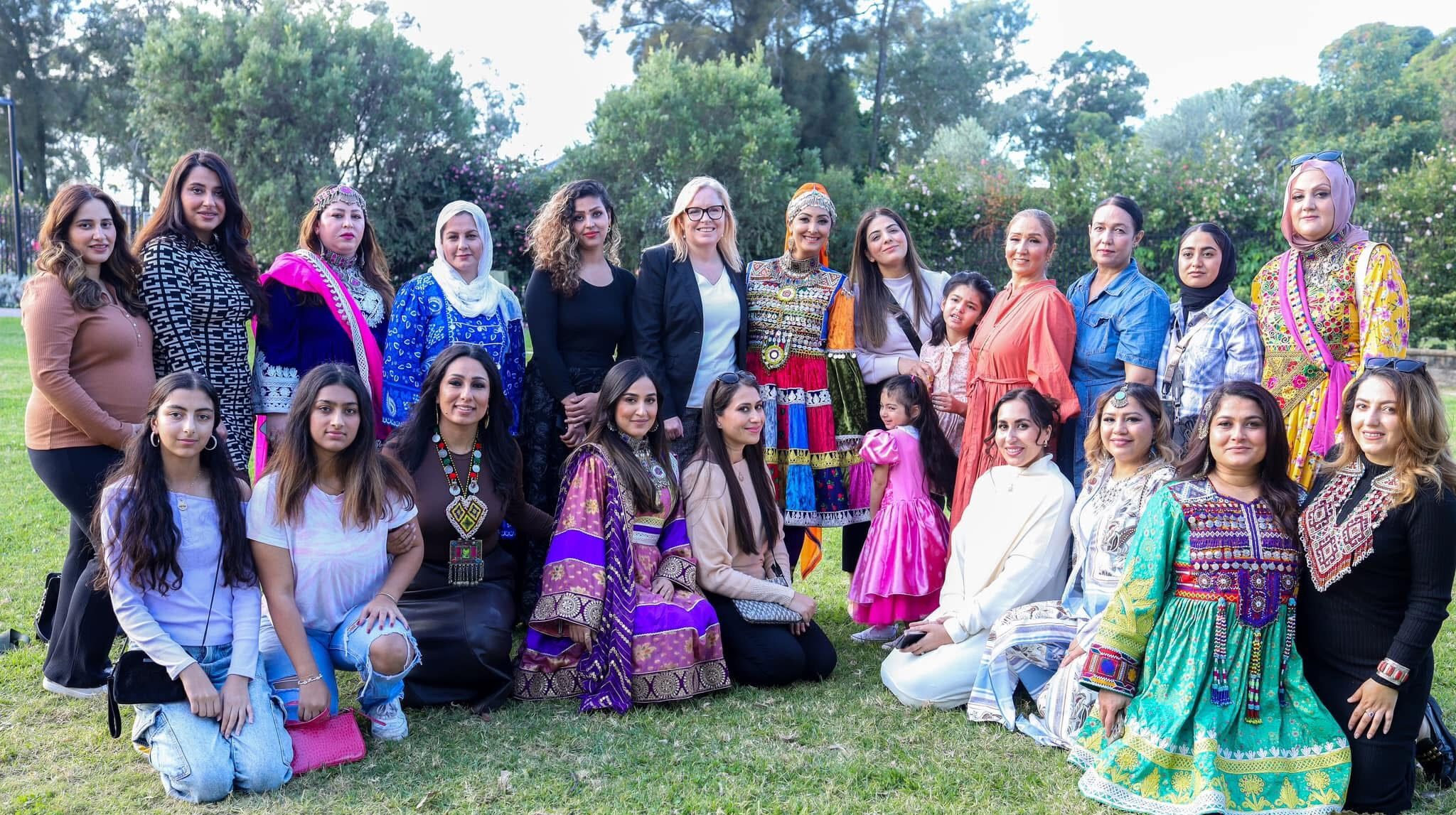
Samira has called Australia home since 1998. Her love for volunteering started as a teenager and taught her the importance of listening to people before deciding how to best support them.
AWSA started back in 2016, when Samira began bringing a small group of Afghan women together at Holroyd Gardens in Merrylands.
What started as a gathering of young mothers looking for an opportunity to connect and spend time together has now grown to around 30 women of all ages volunteering to support Afghan women.
Today, AWSA runs activities in suburbs including Merrylands and Blacktown, while also looking to expand into the Hills District. The organisation relies on volunteers and hired community spaces to host its classes and events.
Making unfamiliar systems easier to navigate
For women who have recently arrived in Australia, settlement can mean learning to navigate unfamiliar systems while also managing language barriers, family responsibilities and the many challenges that come with building a life in a new country.
While resources like Multicultural NSW’s Settlement Hub make it easier for newly arrived people to find the support they need, AWSA aims to provide a trusted place where women can ask questions.
The organisation holds regular classes and information sessions, and where possible, information is provided in Dari.
AWSA invites organisations like Settlement Services International (SSI), the NSW Service for the Treatment and Rehabilitation of Torture and Trauma Survivors (STARTTS), SydWest, TAFE and NAVITAS to meet directly with the women.
English and computer classes are also delivered by volunteers, and there are opportunities for women to connect with other organisations that can help them pursue education and employment.
This community-led approach is particularly important because, as Samira explains, the goal is for women to find their own independence, beyond AWSA.
“A woman may initially come to us needing help with MyGov or a government form, and later, she may be empowering another woman to understand the same system,” Samira said.
“For AWSA, success is not only when someone receives a service. Success is when that woman gains knowledge, confidence, and the ability to support both herself and others.”
Changing the narrative about Afghan women
Samira is also passionate about changing the way Afghan women are represented.
Public conversations can understandably focus on war, displacement and the challenges faced by women in Afghanistan. But Samira wants to show another part of the story: the Afghan women raising families, studying, volunteering, starting businesses and becoming community leaders in Australia.
“We need to change the narrative,” she said.
“Afghan women should not only be recognised for what they have survived, they should also be recognised for what they are building.”
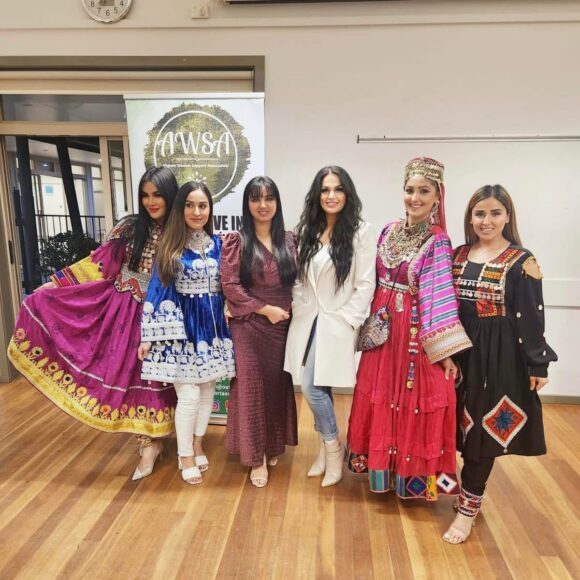
Culture as a source of connection
For younger generations growing up in Australia, preserving and celebrating Afghan culture is another important part of AWSA’s work.
Samira wants to give them opportunities to learn Afghan languages and experience the food, music and cultural practices of their families.
“I’ve grown up here, but I’m in love with Afghan culture,” she said.
AWSA recently attended the Sydney Multicultural Women’s Festival in Blacktown, where they were able to share their culture alongside women from other communities. They also recently held an awards night for their volunteers.
“When people meet one another, share food, music, clothing, stories and traditions, it becomes much easier to understand each other,” she said.
“A multicultural society means communities are encouraged to share their culture with others.”
Looking to the future
Samira has big ambitions for what the next five years could bring for AWSA.
She hopes they can secure a permanent space, build their network of volunteers, and expand their education and employment programs across Western Sydney.
She also wants to see more of the women AWSA supports move into university, employment and eventually positions where they can support others.
“After five years, my question…will be, ‘Did you get into uni? What are you studying? What’s your job?’” Samira said.
“We should not only design programs for women, but we should design them with women.
“If we invest in women’s education, confidence and leadership, the benefits extend beyond one woman. They reach her children, her family and the wider Australian community.”

Photos courtesy of the Afghan Women Support Association.